
Laboratory ventilation design is one of the most important parts of a safe and efficient laboratory project. In chemical, pharmaceutical, university, hospital and industrial testing laboratories, ventilation is not only about comfort. It helps control fumes, odors, heat, vapors and airborne contaminants generated during daily work.
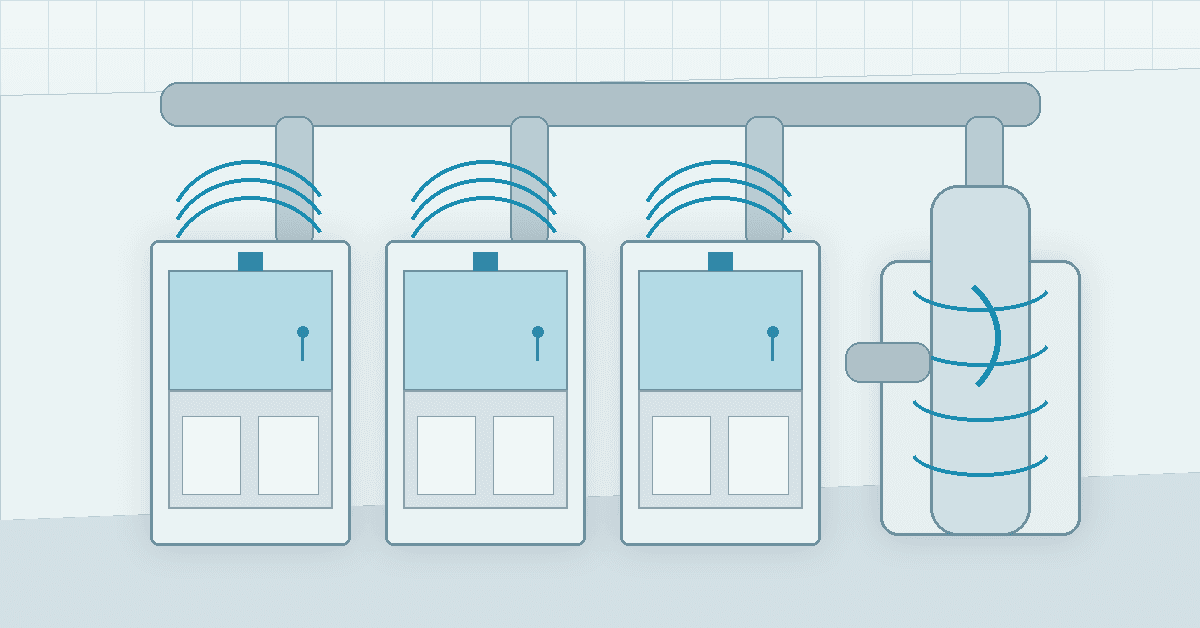
For B2B laboratory projects, ventilation should be designed together with laboratory furniture, fume hoods, chemical storage, utility systems and exhaust treatment. When these systems are considered separately, the final laboratory may face airflow problems, poor equipment placement or difficult installation.
1. Why laboratory ventilation should be planned early
A laboratory is different from a normal office or production room. Experiments may involve acids, alkalis, solvents, reagents, heat sources and analytical instruments. Some processes require local exhaust, while others need general room ventilation or special environmental control.
Early ventilation planning helps define:
- Number and location of fume hoods
- Required exhaust volume
- Fresh air supply requirements
- Supply and exhaust balance
- Room pressure relationship
- Exhaust duct routing
- Chemical storage ventilation
- Heat load from instruments
- Maintenance access
- Possible exhaust treatment requirements
If the ventilation system is designed after laboratory furniture is already confirmed, conflicts can occur. Fume hood ducts may not align with building conditions. Air outlets may create turbulence near workstations. Exhaust treatment equipment may not have enough space. Early coordination helps avoid these problems.
2. Fume hoods are part of the ventilation system
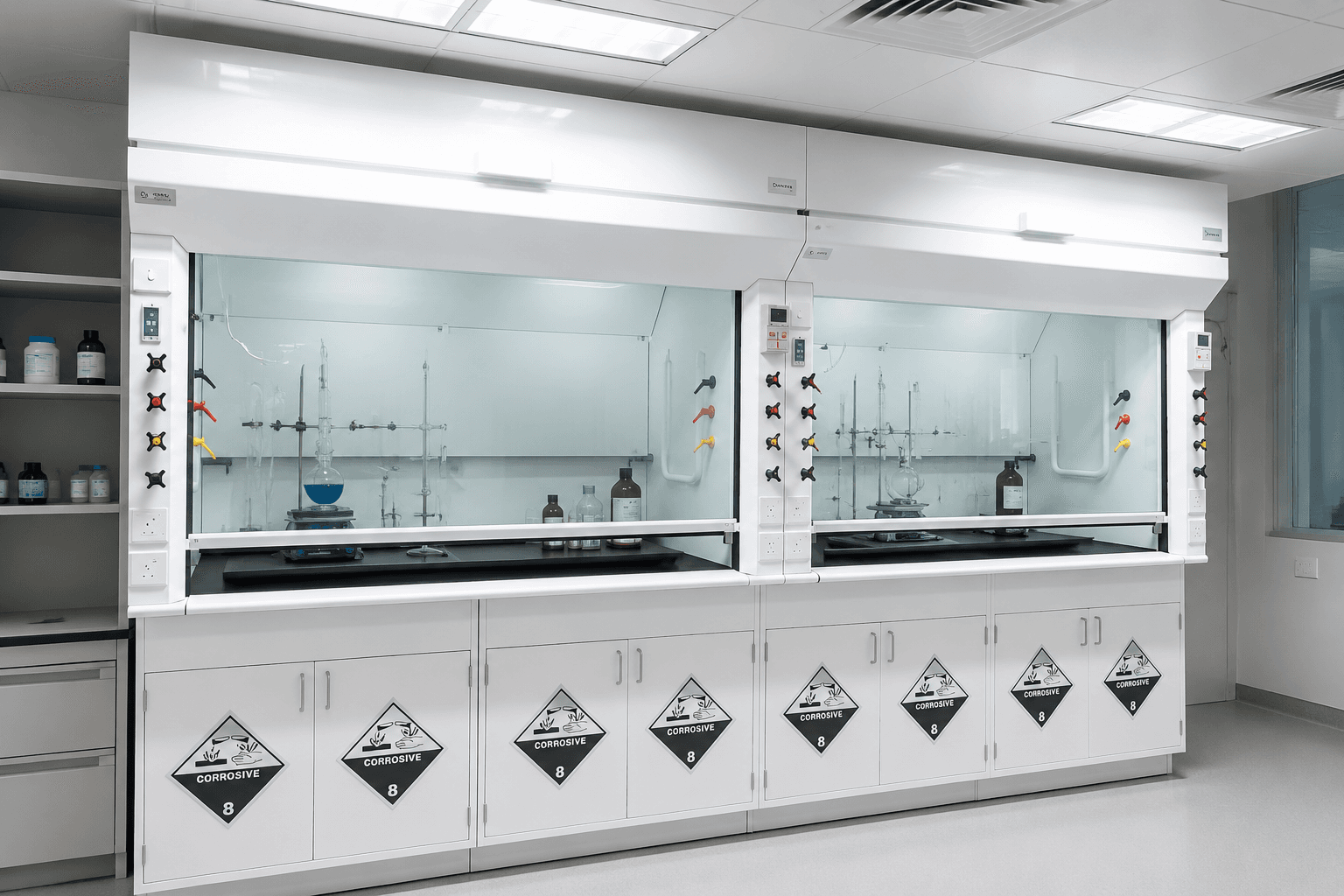
A laboratory fume hood is often seen as a piece of laboratory furniture, but it should be treated as part of the laboratory ventilation system. The hood captures fumes at the source and connects to exhaust ducts, fans and sometimes treatment equipment.
When choosing fume hoods, buyers should consider:
- Chemical type and concentration
- Hood material and internal lining
- Worktop resistance
- Sash design
- Exhaust volume
- Utility connections
- Location in the room
- Operator workflow
- Maintenance requirements
For corrosive chemical laboratories, polypropylene or other corrosion-resistant materials may be required. For general chemical laboratories, different material combinations may be suitable depending on the actual application.
The most important point is that the fume hood should match both the chemical process and the ventilation design. A hood selected only by size or price may not meet the real project requirements.
3. Airflow balance affects safety and comfort
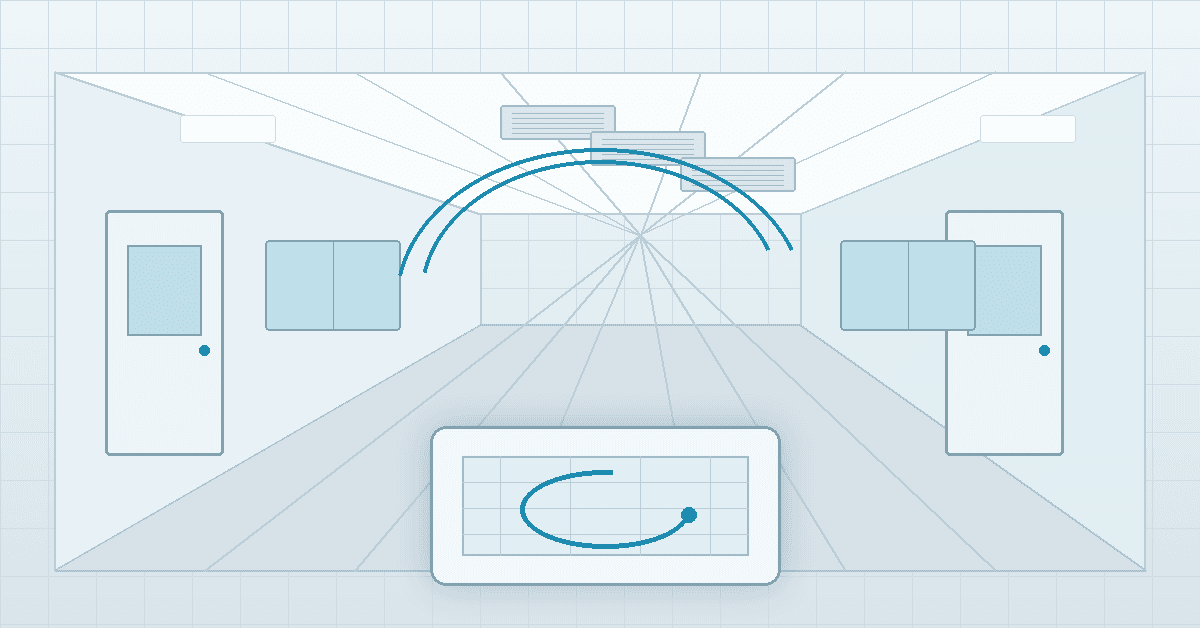
Laboratory ventilation must balance supply air and exhaust air. If a laboratory has multiple fume hoods, high exhaust volume can create negative pressure, door opening problems or unstable airflow if supply air is not properly planned.
In many laboratories, engineers need to coordinate:
- General supply air
- Local exhaust from fume hoods
- Exhaust from chemical cabinets
- Pressure difference between rooms
- Airflow direction from clean areas to less clean areas
- Temperature and humidity control
- Noise and energy consumption
Airflow should support the laboratory process without disturbing fume hood containment. Poor air distribution can reduce the effectiveness of fume hoods and create uncomfortable working conditions.
4. Laboratory layout and furniture influence ventilation
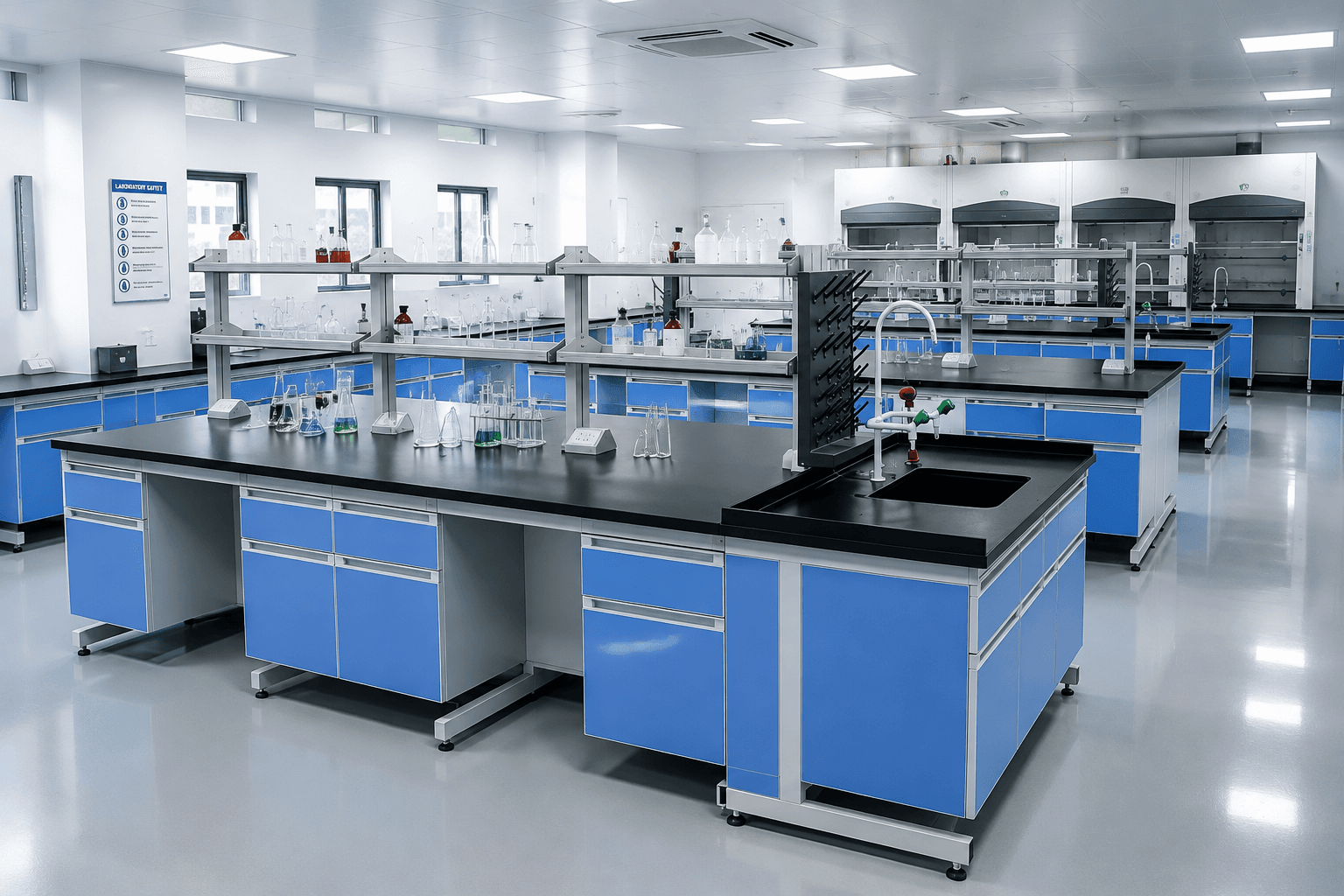
Ventilation design cannot be separated from the laboratory layout. Wall benches, island benches, reagent shelves, sinks, instruments and storage cabinets all influence how people work and how air moves through the room.
For example, fume hoods should usually be placed away from strong cross drafts, doors or high-traffic areas where airflow may be disturbed. Laboratory benches should provide enough working space while allowing safe movement around equipment and emergency exits.
An integrated laboratory design can combine fume hoods, lab benches, storage cabinets, utility services and ventilation into one coordinated layout. This is especially important for new laboratories, renovation projects and international projects where drawings must be confirmed before production.
5. When is exhaust gas treatment required?
Some laboratories may need exhaust gas treatment before discharge. The requirement depends on chemical type, concentration, local regulations and project conditions.
Possible exhaust treatment solutions may include wet scrubbing, activated carbon adsorption or other systems selected according to the exhaust stream. Acidic, alkaline and organic exhaust gases may require different treatment approaches.
Before confirming the ventilation design, buyers should provide information about:
- Chemicals used in the laboratory
- Approximate concentration and usage volume
- Operating schedule
- Exhaust source points
- Local discharge requirements
- Available outdoor space for equipment
- Building duct route and fan location
This information helps the engineering team decide whether exhaust treatment should be included in the laboratory solution.
6. What information should buyers prepare for a quotation?
To receive a practical laboratory ventilation proposal, international buyers should prepare more than a simple room area. Useful project information includes:
- Laboratory floor plan or CAD drawing
- Laboratory function and application
- Number and type of fume hoods
- Chemical list and process description
- Required laboratory furniture
- Existing building HVAC conditions
- Available duct route
- Country and project location
- Expected project schedule
- Installation and commissioning requirements
With this information, the supplier can provide a more accurate design, product selection and quotation.
laboratory ventilation design7. XurenClean integrated laboratory engineering support
XurenClean provides laboratory and cleanroom solutions supported by engineering design, in-house manufacturing, installation support and project coordination. For laboratory ventilation projects, the team can coordinate laboratory furniture, fume hoods, utility systems, exhaust ducts and exhaust gas treatment according to the project scope.
This integrated approach is useful for research laboratories, pharmaceutical laboratories, quality control rooms, industrial testing laboratories and healthcare facilities that need customized laboratory planning rather than isolated product purchasing.
Laboratory ventilation design should never be treated as an afterthought. It affects safety, workflow, comfort, energy use, installation and long-term operation.
For a successful laboratory project, plan ventilation together with fume hoods, laboratory benches, chemical storage, utilities and exhaust treatment. If you are building or upgrading a chemical laboratory, research laboratory, pharmaceutical laboratory or industrial testing facility, XurenClean can help develop a customized laboratory ventilation and engineering solution around your actual project requirements.
Contact XurenClean to request a laboratory ventilation design proposal.