
How to Choose a Chemical Fume Hood for Corrosive Chemical Laboratories
Handling acids, alkalis, solvents and other hazardous chemicals requires more than a standard laboratory workstation. A properly designed chemical fume hood plays an important role in controlling hazardous vapors and protecting laboratory personnel during chemical experiments.
For laboratories working with corrosive chemicals, choosing the right fume hood also involves considering the hood material, ventilation system, worktop, utility configuration, chemical storage and the overall laboratory layout.
This guide explains the key factors international laboratory buyers and project contractors should consider when selecting a chemical fume hood for corrosive chemical applications.
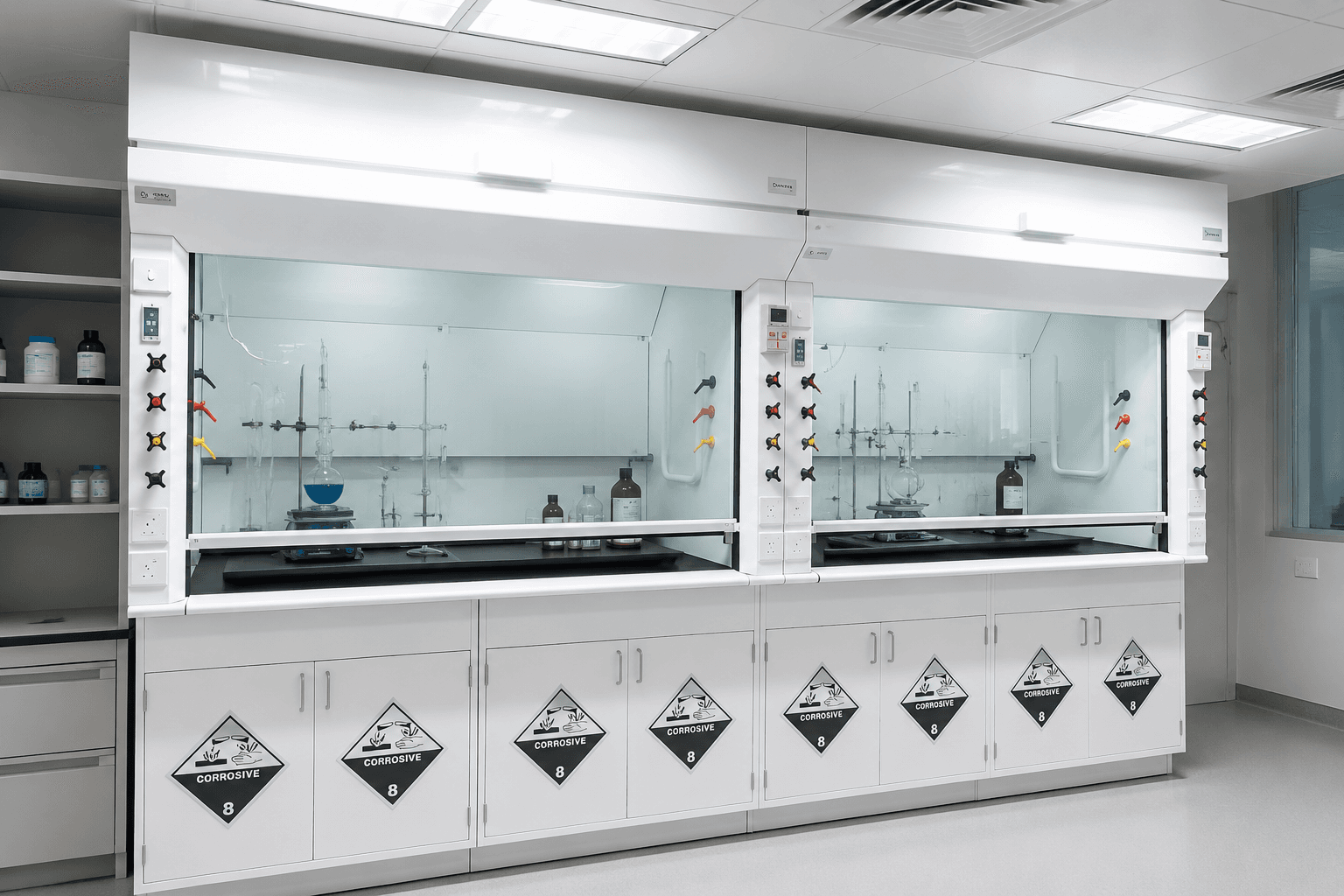
Corrosive chemical laboratory fume hood with integrated laboratory furniture and chemical safety storage.
1. Why Is a Chemical Fume Hood Important in a Laboratory?
Chemical experiments can generate hazardous fumes, vapors, odors and airborne contaminants. A properly designed fume hood provides a localized containment area and connects with an appropriate exhaust or ventilation system.
For laboratories handling corrosive substances, localized exhaust is particularly important because some acids and other chemicals can produce aggressive fumes that may damage equipment and create risks for laboratory personnel.
A laboratory fume hood is therefore not simply a piece of laboratory furniture. It should be considered as part of the laboratory's overall ventilation and engineering system.
For a new laboratory project, the fume hood should be planned together with:
- Laboratory ventilation
- Exhaust ductwork
- Electrical utilities
- Water and gas connections
- Laboratory worktops
- Chemical storage cabinets
- Emergency equipment
- Laboratory workflow
- Room layout and available space
This integrated approach can help improve both safety and operational efficiency.
2. What Makes a Corrosive Chemical Fume Hood Different?
Not every laboratory fume hood is suitable for aggressive chemicals.
Corrosive chemicals can affect metals, coatings, seals and other components over time. For laboratories handling strong acids or alkalis, corrosion resistance should therefore be considered during the initial design stage.
Depending on the chemical environment, fume hoods can be designed using different materials and internal linings. Polypropylene (PP), for example, is commonly used in applications requiring strong chemical and corrosion resistance. Some specialized acid fume hoods use polypropylene construction to provide additional resistance to aggressive chemical environments.
When selecting a fume hood, buyers should evaluate:
Chemical Resistance
The internal surfaces should be compatible with the chemicals used in the laboratory.
Sash and Viewing Area
The sash should provide a clear working view while allowing the operator to maintain the intended working position.
Exhaust Configuration
The hood should be integrated with a suitable laboratory exhaust system according to the project's chemical load, airflow requirements and building conditions.
Worktop Material
The work surface should be selected according to the chemicals and experimental processes used in the laboratory.
Utility Requirements
Electrical sockets, water, gas, drainage and other laboratory services should be planned according to the actual workflow.
3. Choose the Right Fume Hood Material
Material selection is one of the most important decisions when designing a corrosive chemical laboratory.
Common configurations include coated steel, stainless steel and polypropylene-based designs. The appropriate option depends on the chemicals, concentration, temperature, experimental process and required service life.
For aggressive acid applications, polypropylene can be particularly useful because it provides strong resistance to many corrosive chemicals. Specialized polypropylene fume hoods are available for applications involving acids, alkalis and other corrosive substances.
However, there is no single material that is ideal for every laboratory.
Before selecting the material, the project team should review:
- Types of chemicals used
- Chemical concentration
- Operating temperature
- Frequency of chemical exposure
- Cleaning requirements
- Required service life
- Laboratory ventilation conditions
- Local project standards
For this reason, B2B laboratory projects are often better handled through customized engineering rather than selecting a standard catalog product without considering the application.
4. Consider the Laboratory Ventilation System
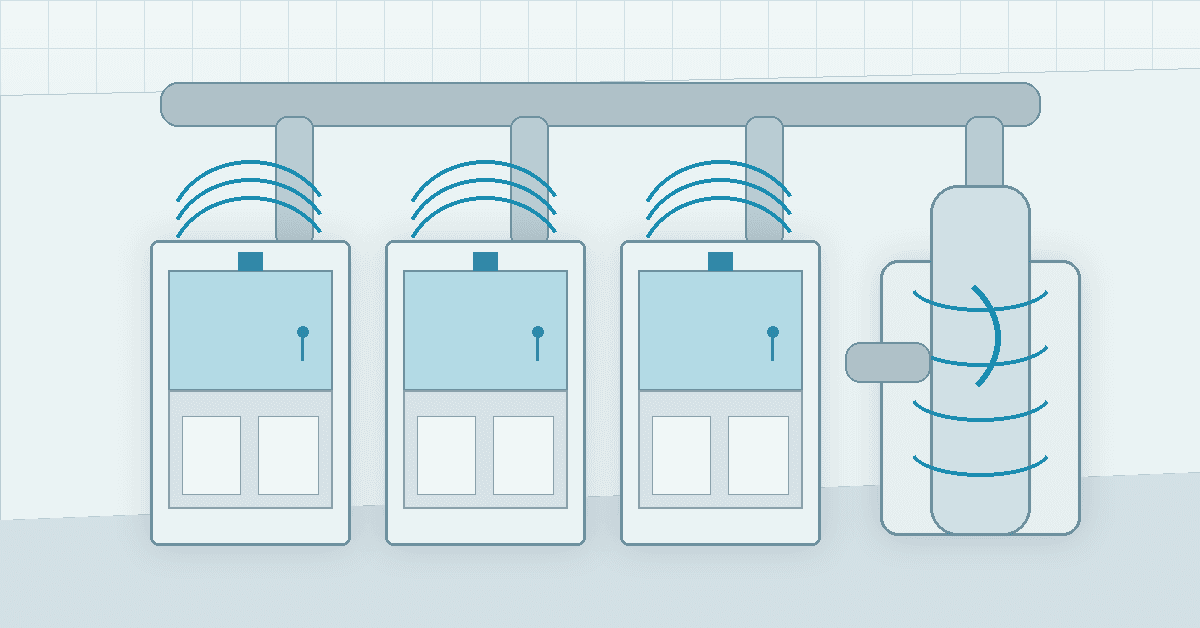
A fume hood works as part of a larger ventilation system.
For ducted fume hoods, the hood is connected to the laboratory exhaust system to remove contaminated air from the working area. Acid-resistant exhaust components may also be required for particularly corrosive applications.
The ventilation design may involve:
- Fume hood exhaust
- Exhaust ducts
- Exhaust fans
- Air supply
- Pressure balance
- Airflow control
- Exhaust treatment
- Building HVAC integration
For certain projects, exhaust treatment such as wet scrubbing or carbon adsorption may also need to be considered depending on the chemical load and discharge requirements.
Therefore, selecting a fume hood without considering the building's ventilation system can lead to problems during installation and commissioning.
5. Don't Ignore Chemical Storage Cabinets
Chemical storage is another important part of a safe laboratory design.
Corrosive chemicals should be stored in appropriate chemical safety cabinets rather than being placed randomly under laboratory benches.
For laboratories handling acids and corrosive substances, dedicated corrosive chemical storage cabinets can provide secondary containment and organized storage. Some systems can also be designed with ventilation connections where the project requires them.
A well-planned chemical laboratory may therefore combine:
Chemical Fume Hood + Laboratory Workbench + Corrosive Chemical Cabinet + Laboratory Ventilation System
This integrated configuration can create a more organized working environment and simplify laboratory workflow.
The image above shows this type of integrated laboratory furniture arrangement, where the fume hood and lower storage area are designed as part of the same laboratory workstation.
6. Standard Fume Hood or Customized Laboratory Solution?
For small laboratories, a standard fume hood may be sufficient.
For larger projects, however, laboratory buyers often need customized solutions because every project has different requirements.
For example, a pharmaceutical laboratory may have different requirements from:
- Chemical testing laboratories
- University laboratories
- Research laboratories
- Industrial R&D laboratories
- Quality control laboratories
- Medical laboratories
- Semiconductor laboratories
The required hood size, worktop, utilities, storage, ventilation and room layout can all vary.
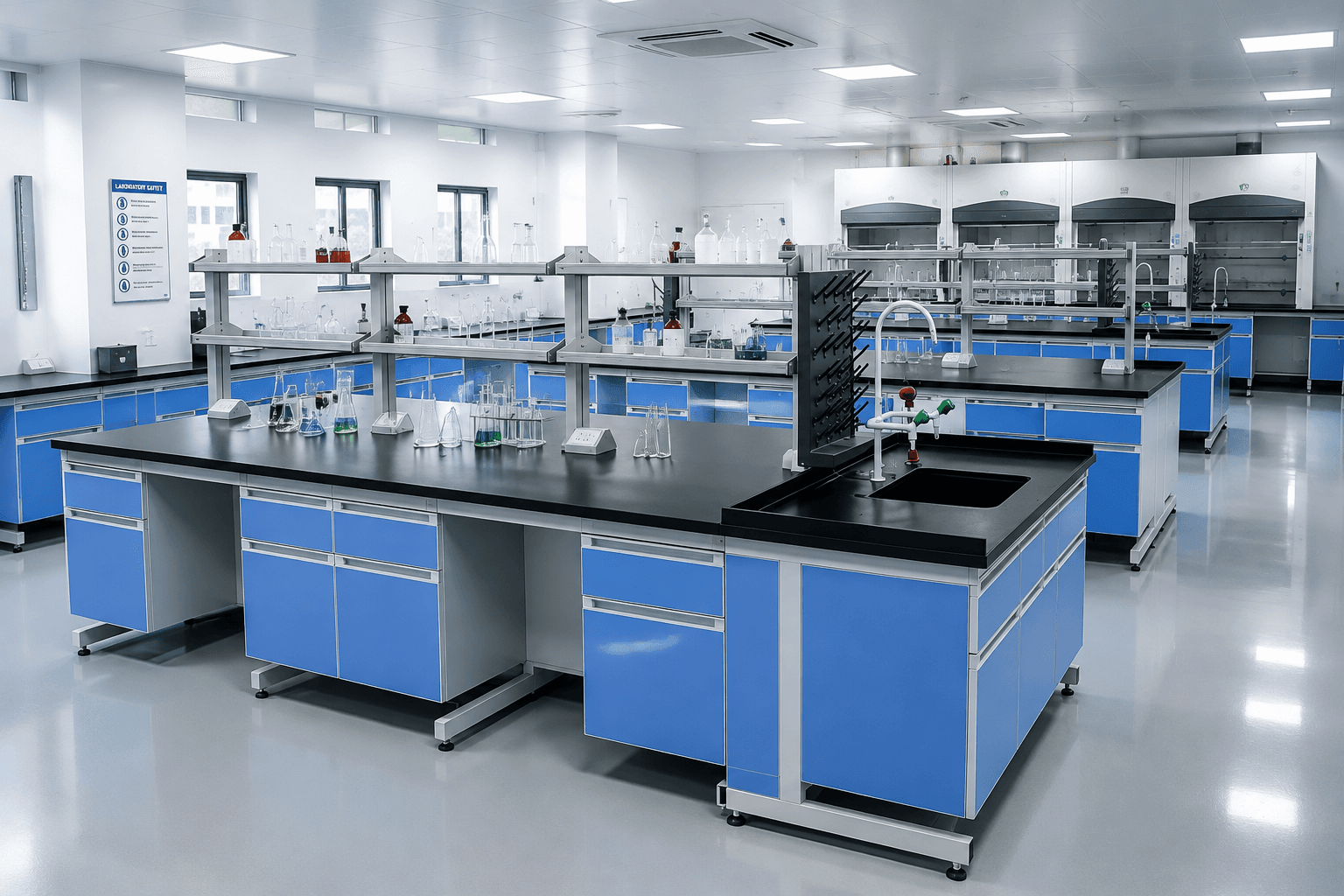
A customized laboratory solution can integrate the fume hood with laboratory benches, cabinets, utility systems and other equipment according to the actual workflow.
7. What Should B2B Buyers Ask a Laboratory Fume Hood Supplier?
Before requesting a quotation, international buyers should prepare as much project information as possible.
A useful RFQ should include:
Project Information
- Laboratory type
- Country and project location
- New laboratory or renovation
- Laboratory dimensions
- Floor plan or CAD drawings
Chemical Information
- Chemicals used
- Chemical concentration
- Approximate quantity
- Operating temperature
- Experimental processes
Fume Hood Requirements
- Hood type
- Required width
- Worktop material
- Internal lining
- Sash configuration
- Exhaust requirements
- Electrical requirements
- Water or gas utilities
Laboratory Furniture
- Laboratory benches
- Wall cabinets
- Base cabinets
- Chemical storage cabinets
- Laboratory sinks
- Emergency equipment
The more complete the project information, the easier it is for the supplier's engineering team to provide an accurate solution and quotation.
8. Why Laboratory Engineering Experience Matters
A laboratory fume hood is only one component of a complete laboratory environment.
For turnkey laboratory projects, the final result depends on how different systems work together.
At XurenClean, laboratory projects are supported through an integrated process covering conceptual design, technical integration, manufacturing, project delivery, installation support, commissioning and validation coordination. The company also provides customized laboratory and cleanroom solutions and maintains in-house manufacturing capabilities.
This approach allows laboratory furniture, ventilation, utilities and project requirements to be considered together instead of treating every component as an independent product.
9. Final Checklist for Selecting a Chemical Fume Hood
Before purchasing a chemical fume hood for a corrosive laboratory, consider the following:
- Is the hood suitable for the chemicals being used?
- Is the internal material sufficiently corrosion resistant?
- Is the worktop compatible with the laboratory application?
- Does the exhaust system meet the project requirements?
- Are chemical storage cabinets required?
- Are electrical, water and gas utilities integrated?
- Does the hood fit the laboratory workflow?
- Is the hood compatible with the building's ventilation system?
- Can the supplier provide customized dimensions?
- Can the supplier provide engineering and installation support?
- Are drawings and technical documentation available?
- Can the supplier support international project delivery?
A good laboratory solution should address these questions before production begins.
Conclusion
Choosing a chemical fume hood for a corrosive laboratory requires more than comparing product dimensions and prices.
Material compatibility, chemical resistance, ventilation, exhaust, laboratory furniture, chemical storage and workflow should all be evaluated as part of the overall laboratory design.
For international B2B buyers, working with an experienced laboratory engineering supplier can simplify the process from initial concept and layout planning to manufacturing, delivery, installation support and commissioning.
If you are planning a new chemical laboratory, pharmaceutical laboratory, research facility or industrial laboratory, provide your laboratory layout, required equipment and chemical application details. A customized laboratory solution can then be developed around your actual project requirements.
Looking for a customized chemical fume hood or complete laboratory solution? Contact XurenClean to discuss your project requirements and request a technical proposal.